
5th Edition of International Heart Congress
June 24-26, 2027 | Hybrid Event

Preventive Cardiology
It is a field of medicine that focuses on identifying risk factors such excessive cholesterol, high blood pressure, diabetes, and other vascular risk factors and controlling them, when possible, in order to prevent and manage cardiovascular disease states. The goal of preventive cardiology is to maintain your blood vessels and heart healthy early on. Your health and wellbeing may be significantly impacted by this preventive medical practise. In preventive cardiology, risk management is included. People who should think about preventive cardiology include those who have a family history of cardiovascular illness, including heart attacks, heart failure, peripheral artery disease, high blood pressure, high cholesterol, and diabetes. Existing health issues include obesity, high lipid or cholesterol levels, diabetes, high blood pressure, or any of these, or do not exercise at all. Poor lifestyle choices include habitually smoking, drinking alcohol, and eating a diet heavy in saturated fat. People who have erratic sleeping patterns may want to consult a preventive cardiologist. Preventive cardiology includes
- Risk management
- Medical management
- Lifestyle management

John R Doty
Intermountain Medical Center, United States
Trevor Tucker
Dynamic Vascular Resolution Inc., Canada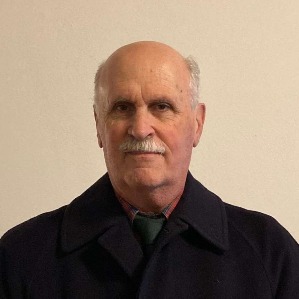
Agustin Joison
Cordoba Catholic University, Argentina
Uwe Peter Tigor
Auxilius Pharma, United States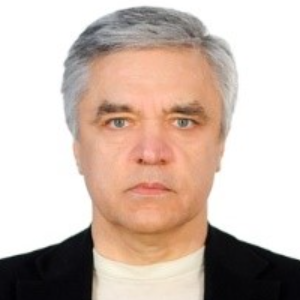
Sergey Suchkov
N. D. Zelinskii Institute for Organic Chemistry of the Russian Academy of Sciences, Russian Federation
Bijoy Krishna Banik
National Institute of Pharmaceutical Education and Research (NIPER)-Guwahati, IndiaSubmit your abstract Today


Title : Healing a broken heart: One nano beat at a time
Thomas J Webster, Brown University, United States
Title : Surgical options for aortic valve preservation
John R Doty, Intermountain Medical Center, United States
Title : Revolutionizing heart health through Personalized & Precision Medicine (PPM): Towards personalized cardiovascular prevention, precision cardiac care & rehabilitation via optimizing Cardiac Hospital Networks
Sergey Suchkov, N. D. Zelinskii Institute for Organic Chemistry of the Russian Academy of Sciences, Russian Federation
Title : Antibody-proteases as unique biomarkers, potential targets and translational tools of the next step generation to be used in personalized and precision cardiology practice
Sergey Suchkov, N. D. Zelinskii Institute for Organic Chemistry of the Russian Academy of Sciences, Russian Federation
Title : Investigation of bergapten’s pharmacological activity against doxorubicin induced cardiotoxicity: supporting evidence from cellular and animal models
Bijoy Krishna Banik, National Institute of Pharmaceutical Education and Research (NIPER)-Guwahati, India
Title : Frequency of residual risk in cardiovascular secondary prevention in patients treated at the Reina Fabiola University Clinic
Agustin Joison, Cordoba Catholic University, Argentina