HYBRID EVENT: Join us in person in Rome, Italy or attend virtually from anywhere.

5th Edition of International Heart Congress
June 24-26, 2027 | Hybrid Event
Hypertensive Heart Diseases
Hypertensive Heart Diseases
Hypertensive heart diseases encompass a range of complications that arise due to prolonged high blood pressure, affecting the structure and function of the heart. Chronic hypertension forces the heart to work harder to pump blood, leading to conditions such as left ventricular hypertrophy, heart failure, and ischemic heart disease. Over time, the excessive strain can cause the heart muscle to thicken, reducing its ability to pump efficiently. Managing hypertensive heart diseases involves controlling blood pressure through lifestyle changes, medications, and regular monitoring. Early detection and effective management can significantly reduce the risk of severe complications, improving both heart health and overall quality of life.
Committee Members
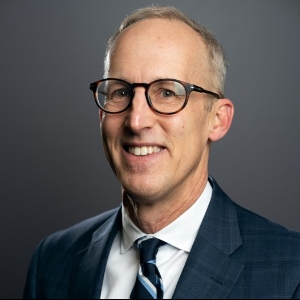
John R Doty
Intermountain Medical Center, United States
Trevor Tucker
Dynamic Vascular Resolution Inc., Canada
Thomas J Webster
Brown University, United States Heart Congress 2027 Speakers

Uwe Peter Tigor
Auxilius Pharma, United States
Fatima Michelle Villa Jimenez
Instituto Nacional de Enfermedades Respiratorias Ismael Cosío Villegas, Mexico
Yoana Tenneth Mancilla Sandoval
Instituto Nacional de Enfermedades Respiratorias Ismael Cosio Villegas, Mexico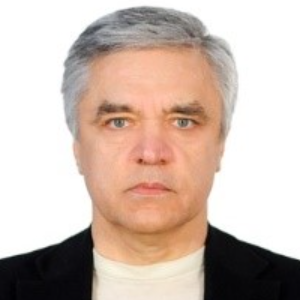
Sergey Suchkov
N. D. Zelinskii Institute for Organic Chemistry of the Russian Academy of Sciences, Russian FederationSubmit your abstract Today


Title : Surgical options for aortic valve preservation
John R Doty, Intermountain Medical Center, United States
Title : Revolutionizing heart health through Personalized & Precision Medicine (PPM): Towards personalized cardiovascular prevention, precision cardiac care & rehabilitation via optimizing cardiac hospital networks
Sergey Suchkov, N. D. Zelinskii Institute for Organic Chemistry of the Russian Academy of Sciences, Russian Federation
Title : Doppler ultrasound measurement of central artery elasticity: A new natural-frequency framework for cardiovascular risk assessment
Trevor Tucker, Dynamic Vascular Resolution Inc., Canada
Title : Healing a broken heart: One nano beat at a time
Thomas J Webster, Brown University, United States
Title : Frequency of residual risk in cardiovascular secondary prevention in patients treated at the Reina Fabiola University Clinic
Agustin Joison, Cordoba Catholic University, Argentina
Title : Antidiabetic agents – From treating diabetes to providing positive cardiovascular outcome
Syed Raza, Awali Hospital, Bahrain