5th Edition of International Heart Congress
June 24-26, 2027 | Hybrid Event

Cardiovascular Endocrinology
One key area of interest in cardiovascular endocrinology is the impact of metabolic syndrome on cardiovascular health. Metabolic syndrome, characterized by a cluster of conditions such as obesity, insulin resistance, and dyslipidemia, significantly increases the risk of cardiovascular diseases. Cardiovascular endocrinologists study the intricate relationships between adipose tissue, insulin signaling, and inflammation, exploring how these factors contribute to the development of atherosclerosis and cardiovascular complications. Research in cardiovascular endocrinology also delves into hormonal regulation of blood pressure, focusing on the role of aldosterone, renin-angiotensin-aldosterone system (RAAS), and other hormones in maintaining cardiovascular homeostasis. The integration of endocrinology and cardiovascular medicine highlights the need for a comprehensive understanding of the interactions between hormonal regulation and cardiovascular function, paving the way for targeted therapies and personalized approaches to address the multifaceted aspects of cardiovascular health.
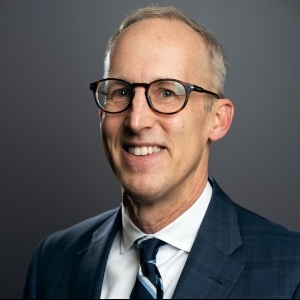
John R Doty
Intermountain Medical Center, United States
Trevor Tucker
Dynamic Vascular Resolution Inc., Canada
Thomas J Webster
Brown University, United States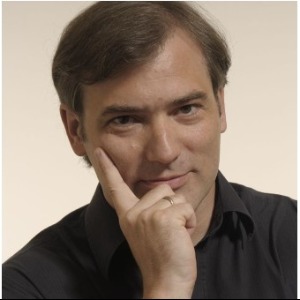
Uwe Peter Tigor
Auxilius Pharma, United States
Fatima Michelle Villa Jimenez
Instituto Nacional de Enfermedades Respiratorias Ismael Cosío Villegas, Mexico
Mancilla Sandoval Yoana Tenneth
Instituto Nacional de Enfermedades Respiratorias "Ismael Cosío Villegas", Mexico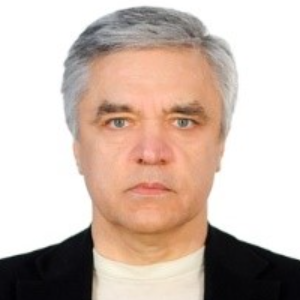
Sergey Suchkov
N. D. Zelinskii Institute for Organic Chemistry of the Russian Academy of Sciences, Russian FederationSubmit your abstract Today


Title : Healing a broken heart: One nano beat at a time
Thomas J Webster, Brown University, United States
Title : Surgical options for aortic valve preservation
John R Doty, Intermountain Medical Center, United States
Title : Revolutionizing heart health through Personalized & Precision Medicine (PPM): Towards personalized cardiovascular prevention, precision cardiac care & rehabilitation via optimizing Cardiac Hospital Networks
Sergey Suchkov, N. D. Zelinskii Institute for Organic Chemistry of the Russian Academy of Sciences, Russian Federation
Title : Antibody-proteases as unique biomarkers, potential targets and translational tools of the next step generation to be used in personalized and precision cardiology practice
Sergey Suchkov, N. D. Zelinskii Institute for Organic Chemistry of the Russian Academy of Sciences, Russian Federation
Title : Investigation of bergapten’s pharmacological activity against doxorubicin induced cardiotoxicity: supporting evidence from cellular and animal models
Bijoy Krishna Banik, National Institute of Pharmaceutical Education and Research (NIPER)-Guwahati, India
Title : Frequency of residual risk in cardiovascular secondary prevention in patients treated at the Reina Fabiola University Clinic
Agustin Joison, Cordoba Catholic University, Argentina