5th Edition of International Heart Congress
June 24-26, 2027 | Hybrid Event

Cardiovascular Bioengineers
Cardiovascular Bioengineers apply principles of engineering and biology to develop innovative technologies and devices aimed at diagnosing, treating, and preventing heart disease. Their work spans the design of artificial heart valves, vascular grafts, stents, and implantable cardiac devices that improve patient outcomes. By integrating knowledge of biomechanics, materials science, and physiology, these specialists create solutions that mimic or support natural heart function. Their contributions have been pivotal in advancing minimally invasive procedures and personalized cardiac therapies, revolutionizing how cardiovascular care is delivered.
Working closely with clinicians, researchers, and industry partners, cardiovascular bioengineers translate scientific discoveries into practical medical applications. They lead efforts in developing tissue-engineered heart tissues, wearable cardiac monitors, and advanced imaging technologies that provide real-time insights into heart health. Their research fosters innovation that enhances the durability, safety, and effectiveness of cardiac devices. In addition, cardiovascular bioengineers often contribute to clinical trials and regulatory processes to ensure new technologies meet rigorous standards. Their multidisciplinary expertise drives continuous improvements in cardiovascular medicine, ultimately improving quality of life for patients worldwide. By pushing the boundaries of science and technology, these specialists shape the future of heart health and treatment. Their passion for innovation continues to inspire the development of next-generation solutions that address unmet clinical needs in cardiology.
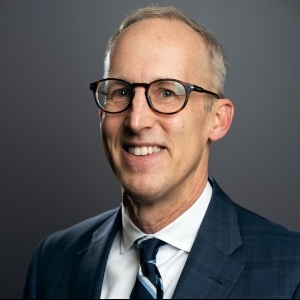
John R Doty
Intermountain Medical Center, United States
Trevor Tucker
Dynamic Vascular Resolution Inc., Canada
Thomas J Webster
Brown University, United States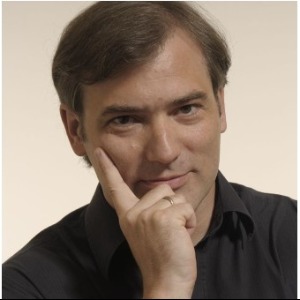
Uwe Peter Tigor
Auxilius Pharma, United States
Fatima Michelle Villa Jimenez
Instituto Nacional de Enfermedades Respiratorias Ismael Cosío Villegas, Mexico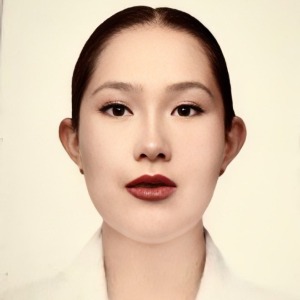
Mancilla Sandoval Yoana Tenneth
Instituto Nacional de Enfermedades Respiratorias "Ismael Cosío Villegas", Mexico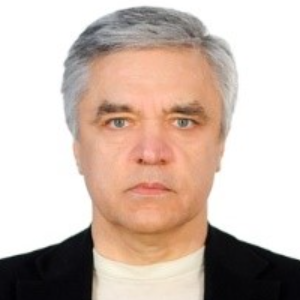
Sergey Suchkov
N. D. Zelinskii Institute for Organic Chemistry of the Russian Academy of Sciences, Russian FederationSubmit your abstract Today


Title : Healing a broken heart: One nano beat at a time
Thomas J Webster, Brown University, United States
Title : Surgical options for aortic valve preservation
John R Doty, Intermountain Medical Center, United States
Title : Revolutionizing heart health through Personalized & Precision Medicine (PPM): Towards personalized cardiovascular prevention, precision cardiac care & rehabilitation via optimizing Cardiac Hospital Networks
Sergey Suchkov, N. D. Zelinskii Institute for Organic Chemistry of the Russian Academy of Sciences, Russian Federation
Title : Antibody-proteases as unique biomarkers, potential targets and translational tools of the next step generation to be used in personalized and precision cardiology practice
Sergey Suchkov, N. D. Zelinskii Institute for Organic Chemistry of the Russian Academy of Sciences, Russian Federation
Title : Investigation of bergapten’s pharmacological activity against doxorubicin induced cardiotoxicity: supporting evidence from cellular and animal models
Bijoy Krishna Banik, National Institute of Pharmaceutical Education and Research (NIPER)-Guwahati, India
Title : Frequency of residual risk in cardiovascular secondary prevention in patients treated at the Reina Fabiola University Clinic
Agustin Joison, Cordoba Catholic University, Argentina