5th Edition of International Heart Congress
June 24-26, 2027 | Hybrid Event
Cardiology Research and Practice
The landscape of cardiology research is constantly evolving with ongoing efforts to address emerging challenges and opportunities. Advancements in technology, including imaging techniques, genetic testing, and wearable devices, continue to revolutionize the way researchers study and manage cardiovascular diseases. Collaboration between researchers, clinicians, and industry partners plays a crucial role in translating scientific discoveries into practical applications that benefit patient care. Cardiology research and practice are interconnected, with research findings influencing clinical guidelines and shaping the future of cardiovascular medicine. The commitment to rigorous investigation and continuous learning within the field ensures that cardiology remains at the forefront of medical innovation, striving to improve outcomes, reduce the global burden of cardiovascular diseases, and enhance the overall well-being of individuals affected by heart conditions.
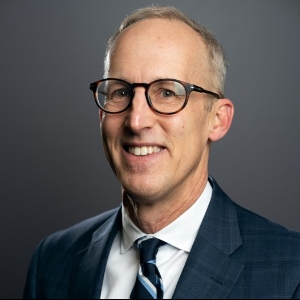
John R Doty
Intermountain Medical Center, United States
Trevor Tucker
Dynamic Vascular Resolution Inc., Canada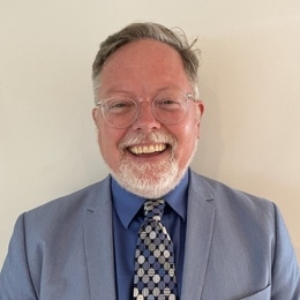
Thomas J Webster
Brown University, United States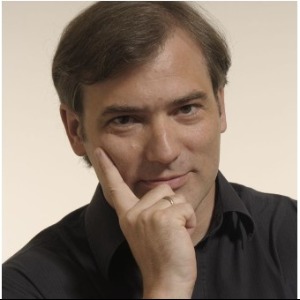
Uwe Peter Tigor
Auxilius Pharma, United States
Fatima Michelle Villa Jimenez
Instituto Nacional de Enfermedades Respiratorias Ismael Cosío Villegas, Mexico
Yoana Tenneth Mancilla Sandoval
Instituto Nacional de Enfermedades Respiratorias Ismael Cosio Villegas, Mexico
Sergey Suchkov
N. D. Zelinskii Institute for Organic Chemistry of the Russian Academy of Sciences, Russian FederationSubmit your abstract Today


Title : Surgical options for aortic valve preservation
John R Doty, Intermountain Medical Center, United States
Title : Revolutionizing heart health through Personalized & Precision Medicine (PPM): Towards personalized cardiovascular prevention, precision cardiac care & rehabilitation via optimizing Cardiac Hospital Networks
Sergey Suchkov, N. D. Zelinskii Institute for Organic Chemistry of the Russian Academy of Sciences, Russian Federation
Title : Doppler ultrasound measurement of central artery elasticity: A new natural-frequency framework for cardiovascular risk assessment
Trevor Tucker, Dynamic Vascular Resolution Inc., Canada
Title : Healing a broken heart: One nano beat at a time
Thomas J Webster, Brown University, United States
Title : Frequency of residual risk in cardiovascular secondary prevention in patients treated at the Reina Fabiola University Clinic
Agustin Joison, Cordoba Catholic University, Argentina
Title : Antidiabetic agents – From treating diabetes to providing positive cardiovascular outcome
Syed Raza, Awali Hospital, Bahrain