5th Edition of International Heart Congress
June 24-26, 2027 | Hybrid Event

Cardiovascular AI Analysts
Cardiovascular AI Analysts are data and technology specialists who apply artificial intelligence and machine learning to solve complex challenges in heart health. By analyzing large-scale datasets from sources like imaging, electronic health records, wearables, and genomic data, they help uncover hidden patterns and predictive markers related to cardiovascular diseases. Their work supports the early detection, diagnosis, and risk stratification of conditions such as coronary artery disease, heart failure, and arrhythmias. Through AI-driven tools and algorithms, these analysts help clinicians make faster, more accurate decisions, improving patient care and outcomes. These professionals work closely with cardiologists, data scientists, and healthcare IT teams to build, validate, and refine models that can predict disease progression or response to treatment. They also contribute to the development of smart diagnostic platforms, automated image analysis systems, and virtual patient monitoring tools. Cardiovascular AI analysts play a critical role in making cardiovascular care more personalized, efficient, and proactive. Their work not only accelerates innovation but also enhances healthcare delivery by enabling real-time insights and continuous patient monitoring. As the use of AI in medicine expands, these analysts are essential in ensuring that technology is ethically implemented, clinically relevant, and patient-centered. Their efforts are shaping a future where AI becomes an integral part of cardiology’s precision approach.
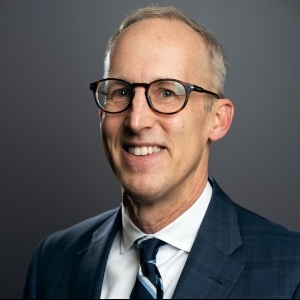
John R Doty
Intermountain Medical Center, United States
Trevor Tucker
Dynamic Vascular Resolution Inc., Canada
Thomas J Webster
Brown University, United States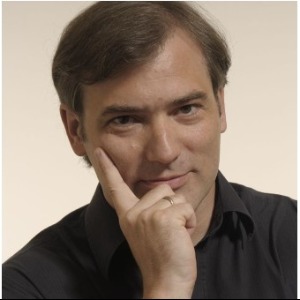
Uwe Peter Tigor
Auxilius Pharma, United States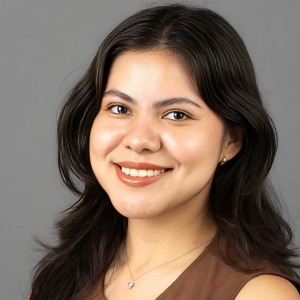
Fatima Michelle Villa Jimenez
Instituto Nacional de Enfermedades Respiratorias Ismael Cosío Villegas, Mexico
Mancilla Sandoval Yoana Tenneth
Instituto Nacional de Enfermedades Respiratorias "Ismael Cosío Villegas", Mexico
Sergey Suchkov
N. D. Zelinskii Institute for Organic Chemistry of the Russian Academy of Sciences, Russian FederationSubmit your abstract Today


Title : Healing a broken heart: One nano beat at a time
Thomas J Webster, Brown University, United States
Title : Surgical options for aortic valve preservation
John R Doty, Intermountain Medical Center, United States
Title : Revolutionizing heart health through Personalized & Precision Medicine (PPM): Towards personalized cardiovascular prevention, precision cardiac care & rehabilitation via optimizing Cardiac Hospital Networks
Sergey Suchkov, N. D. Zelinskii Institute for Organic Chemistry of the Russian Academy of Sciences, Russian Federation
Title : Antibody-proteases as unique biomarkers, potential targets and translational tools of the next step generation to be used in personalized and precision cardiology practice
Sergey Suchkov, N. D. Zelinskii Institute for Organic Chemistry of the Russian Academy of Sciences, Russian Federation
Title : Investigation of bergapten’s pharmacological activity against doxorubicin induced cardiotoxicity: supporting evidence from cellular and animal models
Bijoy Krishna Banik, National Institute of Pharmaceutical Education and Research (NIPER)-Guwahati, India
Title : Frequency of residual risk in cardiovascular secondary prevention in patients treated at the Reina Fabiola University Clinic
Agustin Joison, Cordoba Catholic University, Argentina