
Abstract
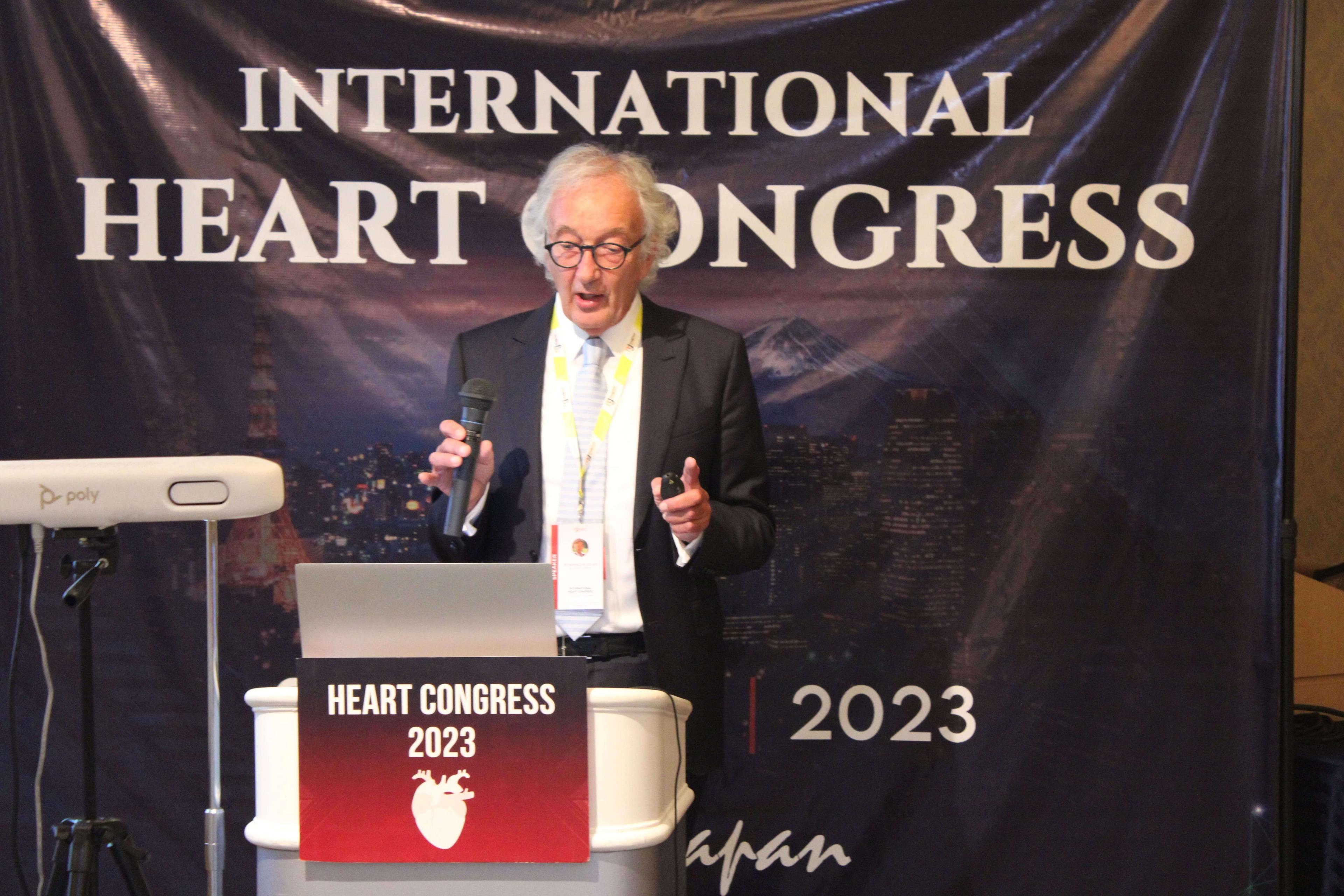
About this talk
Severe tricuspid regurgitation (TR) is common, often under-recognized, and associated with heart failure, reduced quality of life, and increased mortality. Transcatheter tricuspid interventions, including edge-to-edge repair and valve replacement, now offer less invasive options for patients once considered untreatable. Clinical trials and registries show reduced TR severity and improved symptoms and function, yet regulatory approval and reimbursement vary by region, and adoption raises difficult questions for health systems.
This presentation describes how Intermountain Health, a large integrated health system, evaluates costly new technologies through an enterprise Value Analysis Team that weighs clinical impact against financial effect. When a technology offers novel clinical benefit but is margin neutral or negative, the system runs a ten-patient pilot at a single hospital. Real-world clinical and financial performance is then reviewed before deciding whether to expand across the system. Each technology also receives specific appropriate use criteria to guide patient selection.
We discuss how this framework applies to transcatheter therapies, balancing access, durability, and cost, and we highlight lessons that health systems in different settings can adapt.
Speaker
About the speaker