
Abstract
About this talk
Objective: To evaluate changes in epicardial fat thickness (EFT) and lipid profile parameters after six months of therapy with ursodeoxycholic acid (UDCA) in patients with arterial hypertension (AH) of low and moderate cardiovascular risk (CVR) and metabolic-associated fatty liver disease (MAFLD).
Materials and Methods: The study included 31 patients with grade I–II AH of low and moderate CVR and MAFLD. The mean age was 47.32±10.91 years, and the mean duration of AH was 4.69±5.18 years. All patients underwent echocardiographic examination using the Clearview-350 “Affiniti 30” ultrasound system (PHILIPS, Netherlands) in M- and B-modes in accordance with the recommendations of the American Society of Echocardiography. The lipid profile was determined in blood serum using a Cobas c311 biochemical autoanalyzer (Hitachi-Roche, Germany) with Roche test systems. All patients received standard baseline antihypertensive therapy, and hypertension was controlled in all cases. Considering the low and moderate SCORE-2 risk, lipid-lowering therapy was not prescribed during the 6-month follow-up period. For hepatoprotective purposes, UDCA (Ursosan Forte 500 mg, PRO.MED.CS, Prague) was administered. The dose was calculated based on body weight (15 mg/kg). The mean daily dose of UDCA was 1295.32±227.31 mg/day. Differences were considered statistically significant at p < 0.05.
Results: After six months of UDCA therapy, a significant reduction in EFT was observed: from 0.39±0.13 cm at baseline to 0.31±0.09 cm after treatment (p = 0.0026). A significant hypolipidemic effect of UDCA therapy was also demonstrated. In particular, total cholesterol levels decreased from 235.32±45.57 mg/dL at baseline to 204.68±39.70 mg/dL after 6 months (p = 0.001). Low-density lipoprotein cholesterol (LDL-C) levels also significantly decreased from 140.87±37.75 mg/dL to 112.89±34.89 mg/dL (p = 0.0003).
Conclusion: UDCA therapy is associated with a reduction in cardiometabolic risk in patients with arterial hypertension of low and moderate CVR and MAFLD, as evidenced by a significant decrease in epicardial fat thickness and a favorable hypolipidemic effect.
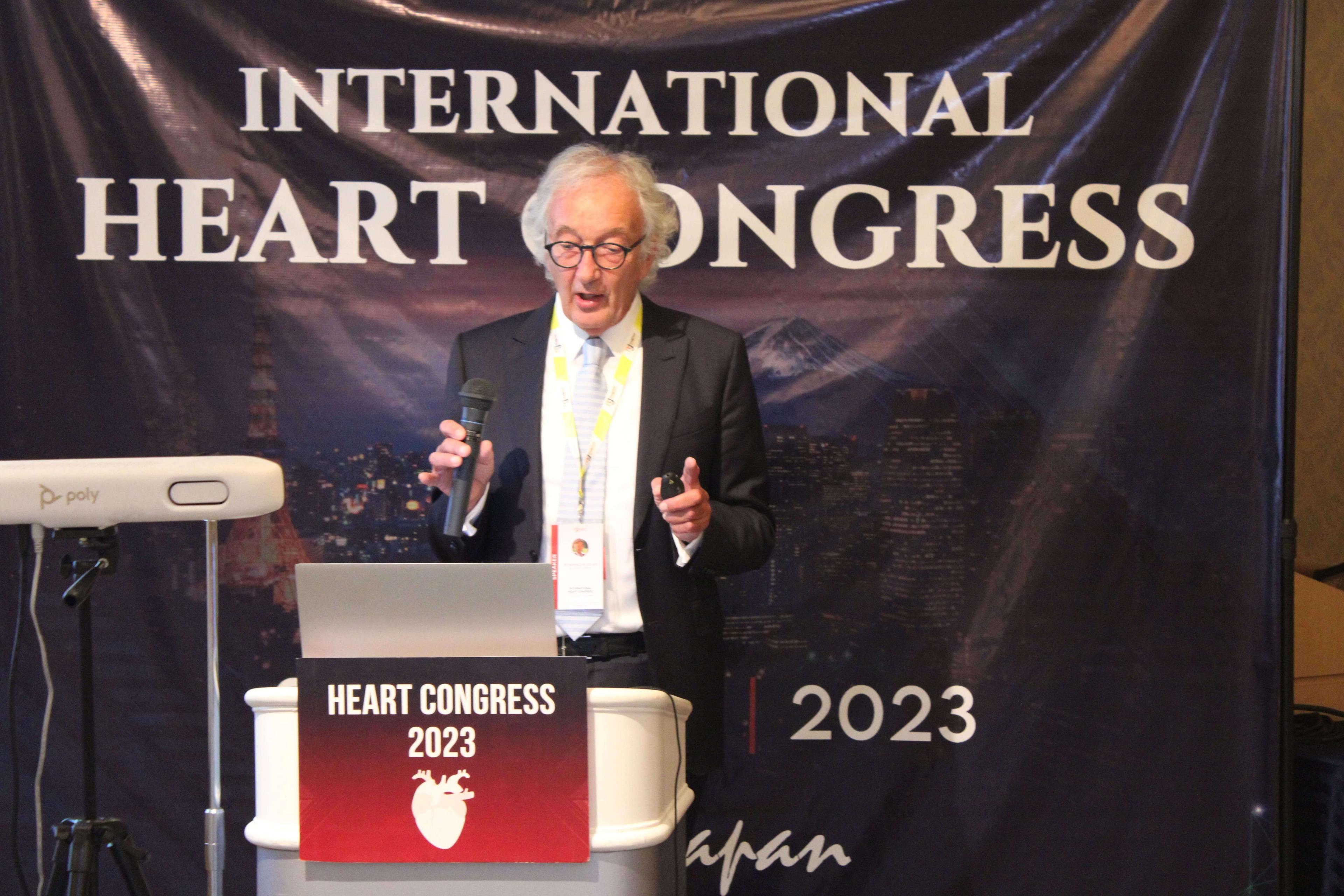
Speaker